
Introduction
Muscle recovery is a critical component of any fitness journey, whether you're a professional athlete, weekend warrior, or someone who's just starting to incorporate exercise into your routine. While the act of exercising itself is essential for building strength and endurance, what happens after your workout can significantly impact your results. At the heart of effective recovery lies nutrition, with protein playing a starring role in repairing and growing muscle tissue.
When we exercise, particularly during resistance training, we create microscopic tears in our muscle fibers. This damage, though necessary for growth, requires proper recovery to transform into increased strength and muscle mass. Without adequate recovery, our bodies struggle to adapt to training stimuli, potentially leading to decreased performance, increased injury risk, and stalled progress.
In this comprehensive guide, we'll explore the intricate relationship between protein consumption and muscle recovery. We'll delve into the science behind muscle repair, examine optimal protein intake strategies, and provide practical advice for incorporating protein into your post-workout nutrition plan. Whether you're looking to maximize your athletic performance, accelerate your recovery between training sessions, or understand how your body rebuilds itself, this exploration of protein's role in muscle recovery will provide valuable insights for your fitness journey.
Understanding Muscle Recovery
The Physiology of Muscle Damage and Repair
To fully appreciate protein's role in recovery, we must first understand what happens to our muscles during and after exercise. When we engage in physical activity, especially resistance training or high-intensity workouts, we subject our muscles to stress. This stress causes microscopic damage to muscle fibers, a process known as microtrauma. While this might sound alarming, this controlled damage is actually a necessary precursor to muscle growth and adaptation.
After exercise, the body initiates a complex repair process. First, inflammatory cells rush to the damaged area, clearing debris and preparing the site for repair. Next, satellite cells—specialized muscle stem cells—activate and begin the reconstruction process. These cells fuse with existing muscle fibers or form new fibers altogether, contributing to muscle growth and repair. This entire process is collectively known as muscle protein synthesis (MPS).
The Recovery Timeline
Muscle recovery isn't instantaneous—it occurs across several distinct phases:
Immediate Recovery (0-2 hours post-exercise): During this phase, the body begins to restore energy levels and initiate the repair process. Hormonal changes trigger the inflammatory response and activate protein synthesis.
Short-term Recovery (2-24 hours post-exercise): This period sees continued protein synthesis and the beginning of muscle repair. Glycogen (stored carbohydrate) replenishment also occurs during this time, especially if adequate carbohydrates are consumed.
Long-term Recovery (24-72+ hours post-exercise): Complete muscle repair and adaptation happen during this extended phase. The duration varies based on workout intensity, individual fitness level, and nutritional status. For particularly intense sessions, full recovery may take up to a week.
Understanding this timeline helps explain why nutrition—particularly protein intake—plays such a crucial role in the recovery process. The building blocks needed for repair must be available when the body is ready to use them.
The Fundamentals of Protein
What Is Protein?
Protein is one of the three macronutrients (alongside carbohydrates and fats) essential for human health. Unlike the other macronutrients, protein's primary role isn't to provide energy—though it can serve this purpose when necessary. Instead, protein functions as a building material for tissues, enzymes, hormones, and virtually every functional component in the human body.
At its most basic level, protein consists of chains of amino acids linked together. These amino acids—often called the "building blocks" of protein—come in twenty different varieties, each with unique properties and functions. Of these twenty, nine are classified as "essential," meaning the body cannot produce them internally and must obtain them through diet.
Protein Quality and Digestibility
Not all proteins are created equal. The nutritional value of a protein source depends on several factors:
Amino Acid Profile: Complete proteins contain all nine essential amino acids in adequate proportions. Animal products (meat, dairy, eggs) typically provide complete proteins, while many plant sources (with exceptions like quinoa and soy) may lack or have limited amounts of certain essential amino acids.
Digestibility: This refers to how efficiently the body can break down and absorb the protein. Animal proteins generally have higher digestibility rates than plant proteins, though processing methods can affect this.
Leucine Content: Of particular importance for muscle recovery is the amino acid leucine, which acts as a key trigger for muscle protein synthesis. Foods high in leucine (such as whey protein, eggs, and chicken) may be especially beneficial for recovery.
Understanding these factors helps explain why certain protein sources might be more effective than others for supporting muscle recovery, though a varied diet can certainly provide all necessary amino acids regardless of whether one consumes animal products or follows a plant-based diet.
The Science of Protein and Muscle Recovery
Muscle Protein Synthesis vs. Muscle Protein Breakdown
Muscle adaptation results from the balance between two opposing processes: muscle protein synthesis (MPS) and muscle protein breakdown (MPB). When synthesis exceeds breakdown, the net result is muscle growth. Conversely, when breakdown outpaces synthesis, muscle loss occurs.
Exercise—particularly resistance training—stimulates both processes. During and immediately after exercise, breakdown rates increase. However, exercise also sensitizes muscles to the anabolic (building) effects of protein consumption, creating an opportunity for enhanced synthesis when amino acids become available.
This is where dietary protein becomes crucial. By consuming protein after exercise, we provide the amino acid building blocks necessary for synthesis while simultaneously reducing breakdown rates. This creates an optimal environment for recovery and adaptation.
Key Amino Acids in Recovery
While all amino acids contribute to protein synthesis, certain ones play especially important roles in recovery:
Leucine: Often considered the most important amino acid for muscle recovery, leucine directly activates the mTOR pathway—a cellular signaling mechanism that triggers protein synthesis. Research suggests a leucine "threshold" exists (approximately 2-3g), above which MPS is maximally stimulated.
Isoleucine and Valine: Along with leucine, these form the branched-chain amino acids (BCAAs). While less potent than leucine, they contribute to protein synthesis and may help reduce exercise-induced muscle soreness.
Glutamine: The most abundant amino acid in the body, glutamine plays a role in immune function and may help reduce muscle soreness and improve recovery during periods of intense training.
Studies consistently show that providing these key amino acids after exercise accelerates recovery and reduces markers of muscle damage compared to placebo treatments.
Optimal Protein Intake for Recovery
Quantity: How Much Protein Do You Need?
Protein requirements vary based on activity level, training goals, age, and overall health status. However, research provides some general guidelines:
For sedentary individuals: 0.8g of protein per kilogram of body weight daily (the RDA) is generally sufficient.
For recreational exercisers: 1.1-1.4g/kg daily supports recovery and adaptation.
For endurance athletes: 1.2-1.6g/kg daily helps maintain and repair muscle tissue.
For strength and power athletes: 1.6-2.2g/kg daily optimizes recovery and supports muscle growth.
For athletes in caloric deficit (cutting): Up to 2.3-3.1g/kg may help preserve lean mass while losing fat.
These recommendations represent total daily intake, which should be distributed across multiple meals throughout the day for optimal results.
Timing: When Should You Consume Protein?
The concept of the "anabolic window"—a purportedly brief post-exercise period during which protein consumption is especially effective—has evolved with research. Current evidence suggests:
Post-workout protein is important, but the window is wider than previously thought. Consuming protein within 0-2 hours after exercise appears beneficial, particularly for those training in a fasted state or who haven't consumed protein for several hours before training.
Pre-workout protein can be equally effective. Consuming protein 1-2 hours before exercise ensures amino acids are available during and after the workout.
Overall daily intake matters most. While timing has some importance, meeting total daily protein requirements across well-spaced meals (every 3-5 hours) appears to be the most critical factor for most individuals.
For practical purposes, consuming 20-40g of high-quality protein within a couple of hours of training—either before or after—represents a sound strategy for most people.
Distribution: Spreading Protein Throughout the Day
Research suggests that muscle protein synthesis is maximized at approximately 0.25-0.4g of protein per kilogram of body weight per meal (roughly 20-40g for most people), with any excess primarily used for energy or other bodily functions rather than additional muscle building.
This has led to the recommendation of spreading protein intake across 3-6 meals throughout the day rather than concentrating it in one or two large meals. This approach ensures a more consistent supply of amino acids for recovery and may optimize overall protein utilization.
Protein Sources for Recovery
Animal-Based Protein Sources
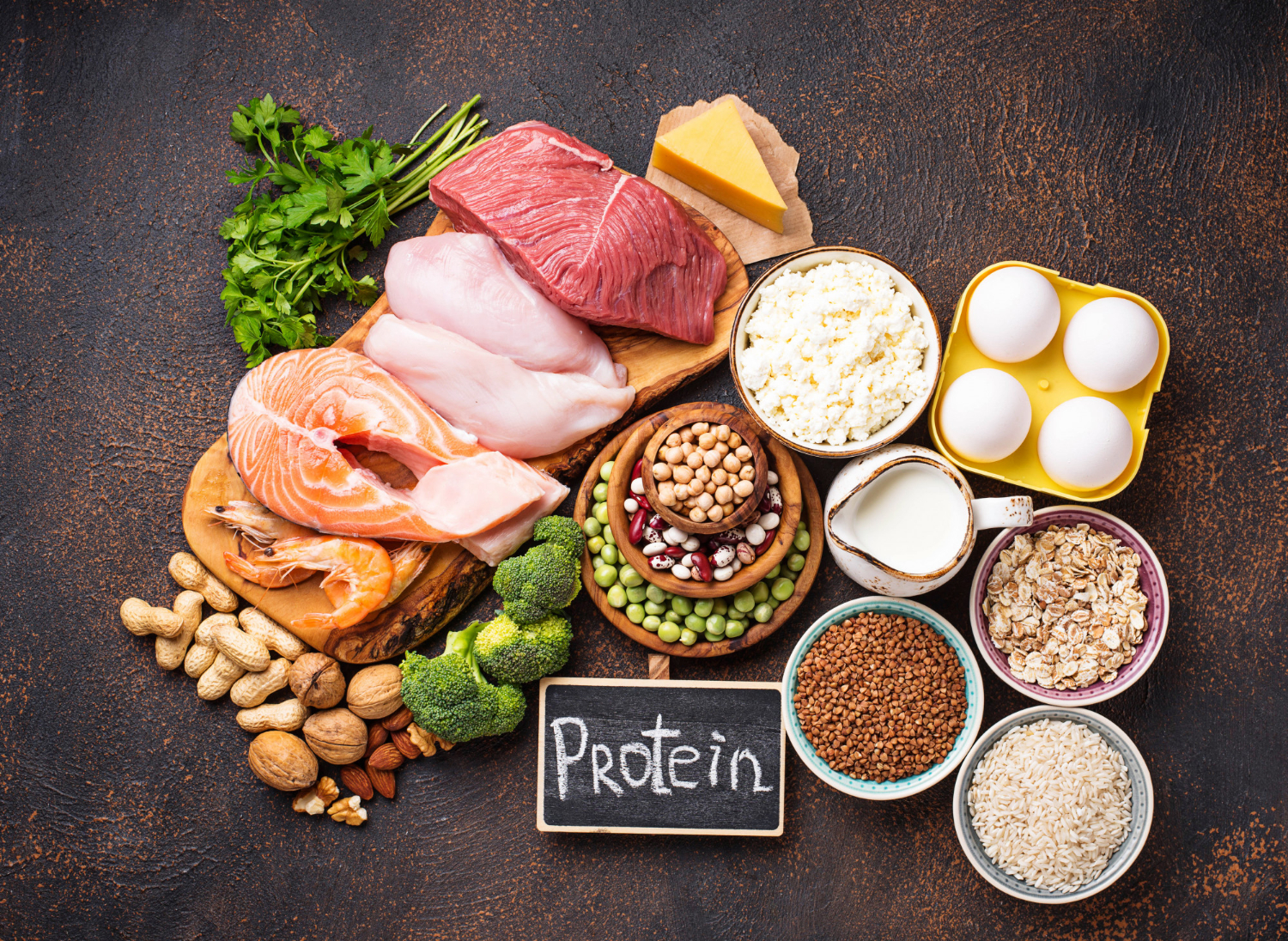
Animal proteins typically provide complete amino acid profiles with high digestibility, making them efficient recovery options:
Whey Protein: Derived from milk, whey is rapidly digested and rich in leucine, making it ideal for post-workout consumption. A typical serving provides 20-25g of highly bioavailable protein.
Casein Protein: Also from milk, but digested much more slowly, casein provides a sustained release of amino acids. This makes it particularly useful before bed or during extended periods without food.
Eggs: With an excellent amino acid profile and high digestibility, eggs represent a nutritional powerhouse. One large egg contains about 6g of complete protein.
Lean Meats: Chicken, turkey, lean beef, and fish provide substantial protein (20-30g per 100g serving) along with other nutrients like iron, zinc, and B-vitamins that support recovery.
Dairy Products: Greek yogurt, cottage cheese, and milk offer mixtures of whey and casein proteins along with calcium and other nutrients beneficial for recovery.
Plant-Based Protein Sources
Plant proteins can effectively support recovery, especially when consumed in varied combinations to ensure complete amino acid profiles:
Soy Protein: One of the few plant complete proteins, soy provides all essential amino acids and has been shown to support muscle recovery similarly to whey when consumed in equivalent amounts.
Pea Protein: With a relatively high leucine content compared to other plant sources, pea protein has gained popularity as a recovery supplement. Research shows it can support muscle growth comparably to whey protein.
Rice and Hemp Proteins: While lower in certain amino acids individually, these can be combined with other plant sources to create complete protein profiles.
Legumes and Grains: Beans, lentils, quinoa, and other plant staples provide protein along with fiber and complex carbohydrates that support overall recovery.
Plant-based athletes may need slightly higher total protein intakes to account for the lower digestibility of some plant proteins, but research confirms that plant-based diets can absolutely support optimal recovery when properly planned.
Protein Supplements for Recovery
Types of Protein Supplements
The supplement market offers numerous protein options, each with distinct characteristics:
Whey Concentrate: Containing 70-80% protein with some lactose and fat, concentrate represents an affordable option with good taste and nutritional benefits beyond just protein.
Whey Isolate: Processed to contain 90%+ protein with minimal lactose and fat, isolate is quickly digested and suitable for those with mild lactose sensitivity.
Whey Hydrolysate: Pre-digested for extremely rapid absorption, hydrolysate may offer marginally faster delivery of amino acids but comes at a premium price.
Casein: Forming a gel in the stomach, casein releases amino acids slowly over several hours, making it ideal before bed or during long periods without food.
Plant-Based Blends: Combinations of pea, rice, hemp, and other plant proteins designed to provide complete amino acid profiles for those avoiding animal products.
When Supplements Make Sense
While whole foods should form the foundation of any nutrition plan, supplements offer convenience and precision in certain scenarios:
Post-workout convenience: When preparing whole food meals isn't practical immediately after training.
Precise nutrition: When specific protein amounts or amino acid profiles are desired.
Dietary restrictions: When meeting protein needs through whole foods is challenging due to vegetarianism, veganism, allergies, or other limitations.
Travel and competition: When normal eating routines are disrupted by travel or competition schedules.
Supplements should complement, not replace, a varied diet of whole foods, which provide micronutrients, fiber, and bioactive compounds not found in isolated protein supplements.
Beyond Protein: Comprehensive Recovery Nutrition
Carbohydrates and Recovery
While protein receives much attention in recovery discussions, carbohydrates play equally important roles:
Glycogen Replenishment: Intense exercise depletes muscle glycogen stores, which must be replenished for subsequent training sessions. Consuming 1-1.2g of carbohydrate per kilogram of body weight within the first few hours after exercise optimizes this process.
Protein-Sparing Effect: Adequate carbohydrate intake preserves dietary protein for recovery rather than energy production. This is particularly important during high-volume training phases.
Insulin Response: Carbohydrates trigger insulin release, which not only facilitates glycogen storage but also enhances amino acid uptake by muscles and reduces protein breakdown.
For optimal recovery, combining protein with carbohydrates in a 1:3 or 1:4 ratio often proves effective, especially after endurance or high-volume training.
Hydration and Electrolytes
Dehydration impairs recovery by reducing blood flow to muscles and limiting the transport of nutrients needed for repair. Rehydration guidelines include:
Fluid Replacement: Consuming 150% of fluid lost during exercise (measured by body weight change) to account for continued losses during recovery.
Electrolyte Inclusion: Sodium, potassium, magnesium, and calcium support optimal fluid balance and muscle function during recovery.
Timing: Beginning rehydration immediately post-exercise and continuing steadily rather than consuming large volumes at once.
Micronutrients Supporting Recovery
Several vitamins and minerals play critical roles in the recovery process:
Vitamin D: Influences protein synthesis and muscle function. Deficiency is associated with impaired recovery and increased injury risk.
Magnesium: Supports energy production and muscle relaxation. Intense exercise may increase requirements.
Antioxidants (Vitamins C, E, etc.): Help manage exercise-induced oxidative stress, though timing matters—immediate post-exercise antioxidant supplementation may potentially blunt certain adaptive responses.
Zinc: Supports protein synthesis and immune function, both crucial for recovery.
A varied diet rich in fruits, vegetables, whole grains, and quality protein sources typically provides these micronutrients in sufficient amounts, though certain populations may benefit from targeted supplementation based on individual needs.
Practical Applications and Recommendations
Sample Recovery Meals and Snacks
Translating nutrition science into practical meals helps implement recovery strategies effectively:
Quick Post-Workout Options:
- Protein shake with banana (30g protein, 30g carbs)
- Greek yogurt with berries and honey (20g protein, 30g carbs)
- Chocolate milk (10g protein, 30g carbs)
Complete Recovery Meals:
- 4oz chicken breast with sweet potato and roasted vegetables (30g protein, 40g carbs)
- Salmon with quinoa and steamed broccoli (25g protein, 35g carbs)
- Tofu stir-fry with rice and mixed vegetables (20g protein, 45g carbs)
Bedtime Recovery Options:
- Cottage cheese with nut butter (25g protein, slow-digesting)
- Casein protein shake with almond milk (25g protein, slow-digesting)
- Greek yogurt with walnuts (20g protein, healthy fats)
Recovery Nutrition for Different Training Types
Recovery needs vary based on training modality:
Endurance Training: Higher carbohydrate needs relative to protein (3-4:1 ratio) to replenish glycogen. Focus on rapid post-exercise refueling, especially with daily training.
Strength Training: Higher protein needs relative to carbohydrates (1:1 or 2:1 ratio). Emphasis on leucine-rich protein sources to maximize MPS.
High-Intensity Interval Training: Balanced approach with moderate protein and carbohydrate intake. Attention to hydration and electrolytes due to high sweat rates.
Mixed Training Methods: Adjust ratios based on the primary training stimulus of the day, with higher carbohydrate intake following more glycolytically demanding sessions.
Conclusion
Protein serves as a cornerstone of effective muscle recovery, providing the essential building blocks needed to repair exercise-induced damage and support adaptation. The science clearly demonstrates that strategic protein consumption—considering quantity, quality, timing, and distribution—can significantly enhance recovery outcomes for athletes and fitness enthusiasts alike.
However, optimal recovery extends beyond protein alone. A comprehensive approach integrating carbohydrates for energy replenishment, adequate hydration, and supporting micronutrients creates the ideal environment for muscles to repair and strengthen. This holistic nutrition strategy, combined with appropriate rest and recovery techniques, forms the foundation of sustainable progress in any fitness journey.