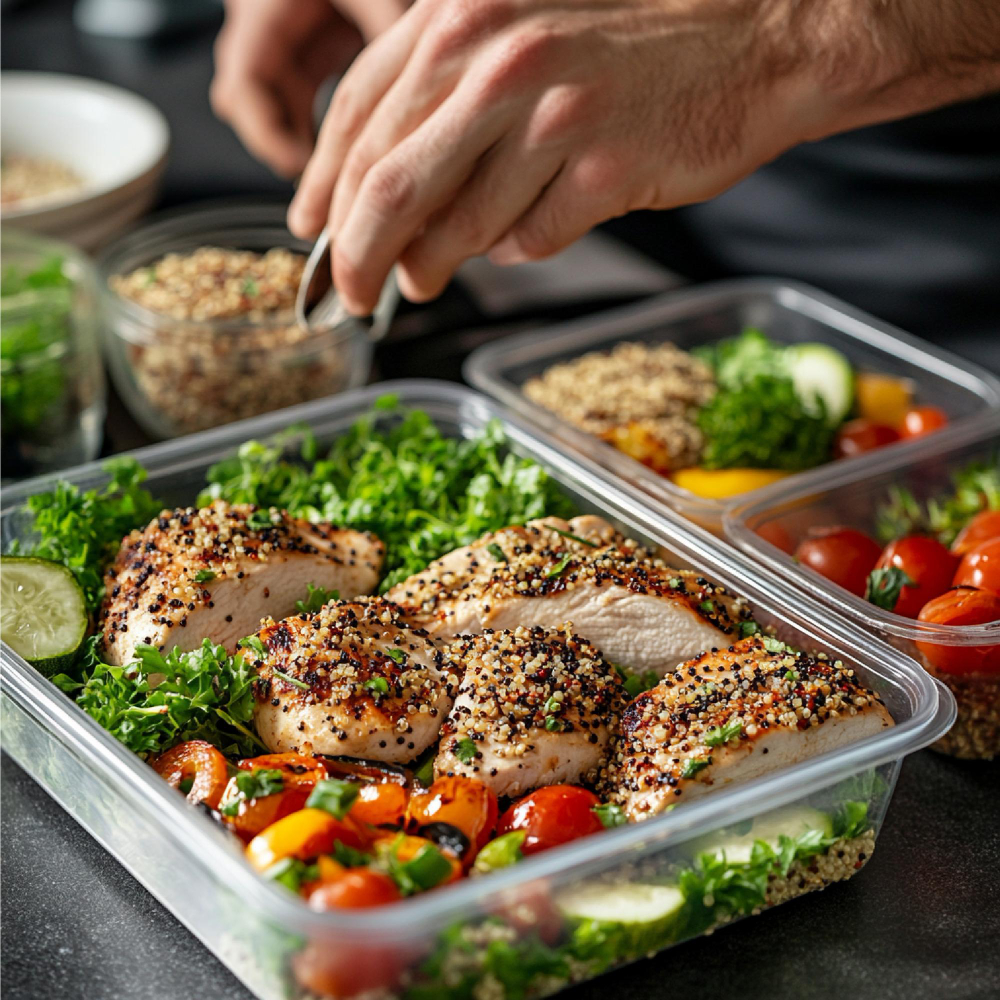
In today's fast-paced world, finding time to prepare nutritious meals can feel like an impossible task. Between work commitments, family responsibilities, and social obligations, nutrition often takes a backseat to convenience. However, meal prepping offers a practical solution that can save time, money, and your health.
Why Meal Prep Matters
Meal prepping isn't just a trend—it's a lifestyle strategy that provides multiple benefits:
- Time efficiency: Cook once, eat multiple times
- Budget-friendly: Reduces impulse purchases and food waste
- Portion control: Helps maintain healthy eating habits
- Stress reduction: Eliminates daily "what's for dinner" decisions
- Nutritional consistency: Ensures balanced meals throughout the week
Getting Started with Meal Prep
Essential Equipment
Before diving into meal prep, ensure you have these basics:
- Quality food storage containers (preferably glass for longevity and reheating)
- Sharp knives for efficient chopping
- Measuring cups and spoons
- Sheet pans for roasting vegetables
- Slow cooker or Instant Pot (optional but helpful)
- Blender for smoothies and sauces
Planning Your Prep
Successful meal prep begins with thoughtful planning:
- Set aside dedicated time: Schedule 2-3 hours on a weekend or day off
- Plan your menu: Choose recipes that share ingredients to minimize waste
- Create a detailed shopping list: Organize by grocery store sections
- Consider food shelf-life: Plan to eat more perishable items earlier in the week
- Start small: Begin with prepping just one meal type (like lunches) before expanding
Breakfast Prep Ideas
Overnight Oats (5 Variations)
Base recipe: Combine ½ cup rolled oats with ½ cup milk of choice and 1 tablespoon chia seeds.
Variations:
- Berry Bliss: Add mixed berries and a drizzle of honey
- Apple Cinnamon: Diced apple, cinnamon, and a touch of maple syrup
- Chocolate Banana: Sliced banana, cocoa powder, and a few dark chocolate chips
- Tropical: Mango chunks, coconut flakes, and a splash of pineapple juice
- Peanut Butter Cup: Swirl in natural peanut butter and a sprinkle of cocoa nibs
Egg Muffins
These protein-packed breakfast bites can be customized endlessly:
Base recipe: Whisk 12 eggs with salt and pepper. Pour into a greased muffin tin and bake at 350°F for 20-25 minutes.
Filling combinations:
- Spinach, feta, and diced red pepper
- Broccoli, cheddar, and diced ham
- Mushroom, onion, and Swiss cheese
- Tomato, basil, and mozzarella
- Black beans, corn, and pepper jack cheese
Smoothie Packs
Prepare freezer bags with portioned smoothie ingredients:
- Add fruits, vegetables, and add-ins to freezer bags
- Freeze flat for easy storage
- When ready, empty contents into a blender with liquid and blend
Popular combinations:
- Spinach, banana, pineapple, and ginger
- Berries, banana, kale, and flaxseed
- Mango, carrot, banana, and turmeric
- Banana, peanut butter, cocoa powder, and spinach
- Peach, banana, ginger, and cinnamon
Lunch Prep Strategies
Mason Jar Salads
The key to a perfect mason jar salad is layering:
- Dressing on the bottom
- Hard vegetables (carrots, cucumbers, bell peppers)
- Proteins and grains
- Soft vegetables and fruits
- Leafy greens on top
- Seeds, nuts, or croutons in a separate container
Try these combinations:
- Mediterranean: Lemon-olive oil dressing, cucumber, chickpeas, feta, olives, quinoa, spinach
- Asian-Inspired: Sesame ginger dressing, edamame, carrots, bell peppers, mandarin oranges, brown rice, mixed greens
- Southwest: Lime-cilantro dressing, black beans, corn, cherry tomatoes, avocado, brown rice, romaine
- Harvest: Apple cider vinaigrette, roasted sweet potatoes, dried cranberries, pecans, wild rice, kale
- Greek: Red wine vinaigrette, cucumber, cherry tomatoes, red onion, olives, feta, quinoa, romaine
Grain Bowls
Prep components separately for mix-and-match bowls throughout the week:
Grains (choose 1-2):
- Brown rice
- Quinoa
- Farro
- Bulgur
- Barley
Proteins (choose 1-2):
- Grilled chicken
- Baked tofu
- Canned tuna or salmon
- Hard-boiled eggs
- Roasted chickpeas
Vegetables (choose 3-4):
- Roasted sweet potatoes
- Steamed broccoli
- Sautéed mushrooms
- Roasted bell peppers
- Shredded carrots
- Cucumber slices
- Cherry tomatoes
Flavor boosters:
- Avocado
- Hummus
- Salsa
- Pesto
- Tahini sauce
- Lemon wedges
- Hot sauce
Wraps and Sandwiches
Prep fillings in advance, but assemble the day of eating to prevent sogginess:
Protein options:
- Sliced turkey or chicken
- Tuna or chicken salad
- Hummus
- Egg salad
- Tempeh or tofu
Vegetable options:
- Lettuce or spinach
- Sliced tomatoes
- Cucumber
- Grated carrots
- Sprouts
- Avocado
- Pickled vegetables
Spreads and condiments:
- Greek yogurt-based spreads
- Mustard
- Pesto
- Hummus
- Mashed avocado
Dinner Prep Approaches
Sheet Pan Meals
One of the simplest meal prep methods:
- Choose a protein, starchy vegetable, and non-starchy vegetable
- Season with complementary herbs and spices
- Roast at 400°F until everything is cooked through
- Portion into containers
Winning combinations:
- Chicken thighs + sweet potatoes + Brussels sprouts with rosemary and garlic
- Salmon + baby potatoes + asparagus with lemon and dill
- Turkey sausage + butternut squash + bell peppers with Italian herbs
- Tofu + broccoli + carrots with ginger and soy glaze
- Chickpeas + cauliflower + red onion with curry spices
Slow Cooker and Instant Pot Meals
Let appliances do the work while you handle other tasks:
Slow cooker winners:
- Chicken and vegetable soup
- Beef and bean chili
- Lentil curry
- Pulled chicken for multiple uses
- Vegetable and barley stew
Instant Pot time-savers:
- Whole chicken (use meat throughout the week)
- Bone broth for soups and cooking grains
- Bean batches from dried (cheaper than canned)
- Steel-cut oats for breakfast
- Shredded pork or beef for various meals
Batch Cooking Basics
Master these versatile components:
Proteins:
- Roasted whole chicken
- Baked meatballs (turkey, beef, or plant-based)
- Marinated and grilled chicken breasts
- Baked salmon fillets
- Seasoned ground meat or meat alternatives
Grains and starches:
- Brown rice
- Quinoa
- Roasted potatoes
- Sweet potatoes
- Pasta (slightly undercook for reheating)
Vegetables:
- Roasted vegetable medley
- Steamed broccoli and cauliflower
- Sautéed greens
- Caramelized onions
- Grilled zucchini and eggplant
Specialized Meal Prep Approaches
Plant-Based Meal Prep
Plant-based eating doesn't have to be complicated:
Protein sources:
- Lentils and beans (cook in batches)
- Tofu (marinate and bake for the week)
- Tempeh (pre-slice and season)
- Seitan
- Quinoa and other complete-protein grains
Time-saving tips:
- Cook beans in large batches and freeze in portions
- Pre-chop hardy vegetables like carrots, celery, and bell peppers
- Prepare homemade dressings and sauces to add flavor
- Roast a large tray of mixed vegetables
- Make a big batch of vegetable soup or stew
Low-Carb Meal Prep
Focus on proteins and non-starchy vegetables:
Protein options:
- Grilled chicken breast
- Baked fish fillets
- Hard-boiled eggs
- Ground turkey
- Steak strips
Vegetable staples:
- Cauliflower rice (pre-portion in freezer bags)
- Zucchini noodles (store with paper towels to absorb moisture)
- Roasted Brussels sprouts
- Sautéed spinach
- Bell pepper strips
Healthy fat additions:
- Avocado (prep day of consumption)
- Olives
- Nuts and seeds
- Olive oil-based dressings
- Coconut milk for curries
Budget-Friendly Meal Prep
Maximize nutrition while minimizing cost:
Cost-effective proteins:
- Whole chickens (use meat for multiple meals, bones for broth)
- Eggs
- Canned tuna and salmon
- Dried beans and lentils
- Tofu
Money-saving strategies:
- Buy seasonal produce
- Utilize frozen fruits and vegetables
- Purchase grains and legumes in bulk
- Use cheaper cuts of meat in slow cooker recipes
- Incorporate inexpensive but nutritious foods like cabbage, carrots, and potatoes
Storage and Food Safety
Container Considerations
Invest in quality containers for successful meal prep:
- Glass containers: Microwave-safe, don't retain odors, but heavier
- BPA-free plastic: Lightweight, but may stain with certain foods
- Stainless steel: Durable and non-toxic, but not microwave-safe
- Silicone bags: Reusable alternative to plastic bags, freezer-friendly
- Compartmentalized containers: Keep foods separate for freshness
Proper Storage Guidelines
Follow these guidelines for maximum freshness:
Refrigerator storage times:
- Cooked chicken/turkey: 3-4 days
- Cooked beef/pork: 3-4 days
- Cooked fish: 1-2 days
- Cooked grains and pasta: 3-5 days
- Cut vegetables: 2-5 days (depending on type)
- Prepared salads without dressing: 3-5 days
- Soups and stews: 3-4 days
Freezer-friendly meals:
- Soups and stews
- Casseroles
- Cooked grains
- Cooked meats (without creamy sauces)
- Burritos
- Meatballs
- Smoothie packs
Foods that don't freeze well:
- Dairy-based sauces and soups
- Eggs
- Mayonnaise-based dishes
- Fried foods
- Fruits and vegetables with high water content
Reheating Best Practices
Maintain flavor and texture when reheating:
- Microwave: Add a splash of water to grains and proteins to prevent drying out
- Stovetop: Best for soups, stews, and sauces
- Oven: Ideal for maintaining crispiness in roasted vegetables and proteins
- Air fryer: Perfect for quickly reheating and crisping previously cooked items
- Steamer: Excellent for reheating vegetables without losing nutrients
Overcoming Common Meal Prep Challenges
Preventing Food Boredom
Keep meals interesting with these strategies:
- Flavor variations: Use different spice blends on the same base ingredients
- Component cooking: Prepare versatile ingredients that can be combined differently
- Sauce rotation: Create several sauces to transform similar meals
- Global inspiration: Rotate through cuisines (Italian, Mexican, Asian, Mediterranean)
- Texture contrasts: Include crunchy, creamy, and chewy elements in each meal
Dealing with Picky Eaters
Accommodate various preferences while maintaining efficiency:
- Customizable bases: Prepare neutral proteins and grains that can be customized
- Deconstructed meals: Keep components separate for assembly at mealtime
- Familiar favorites: Incorporate healthier versions of well-liked dishes
- Gradual changes: Slowly introduce new ingredients alongside familiar ones
- Involvement: Let family members choose some of the week's meals
Managing Limited Refrigerator Space
Maximize storage with these tips:
- Freezer utilization: Store half of your prep in the freezer
- Vertical stacking: Use uniform containers that stack efficiently
- Partial prep: Chop and portion ingredients without fully cooking everything
- Strategic scheduling: Cook some meals mid-week to reduce initial storage needs
- Vacuum sealing: Reduces package size and extends food freshness
Advanced Meal Prep Strategies
Themed Prep Days
Organize your prep around specific categories:
- Protein prep: Cook all proteins for the week
- Vegetable station: Chop, roast, and steam various vegetables
- Grain day: Prepare different grains and starches
- Sauce creation: Make dressings, marinades, and flavor enhancers
- Snack assembly: Portion out snacks for grab-and-go convenience
Prep Once, Eat Twice Approach
Maximize efficiency with intentional leftovers:
- Roast chicken → Chicken salad or soup
- Taco meat → Taco salad or stuffed peppers
- Roasted vegetables → Blend into soup or add to frittatas
- Extra rice → Fried rice or rice pudding
- Grilled steak → Steak salad or sandwiches
Seasonal Meal Prep Adjustments
Adapt your approach throughout the year:
Summer strategies:
- Focus on no-cook meals
- Utilize the grill for batch cooking
- Prepare more cold dishes like salads
- Incorporate abundant seasonal produce
- Consider shorter storage times due to heat
Winter approaches:
- Embrace slow cooker soups and stews
- Roast vegetables in larger batches
- Prepare hearty casseroles for freezing
- Use the oven more frequently for multiple dishes
- Focus on immune-supporting ingredients
Conclusion
Meal prepping isn't about perfection—it's about creating a sustainable system that works for your lifestyle. Start small, experiment with different approaches, and adjust as needed. With practice, you'll develop a personalized meal prep routine that saves time, reduces stress, and supports your health goals.
Remember that even partial meal preparation provides benefits. Whether you're chopping vegetables in advance, batch cooking proteins, or simply planning your menu, each step makes healthy eating more accessible in a busy life.
By investing a few hours each week in meal preparation, you're prioritizing your health, reducing daily decision fatigue, and creating more time for what truly matters to you.